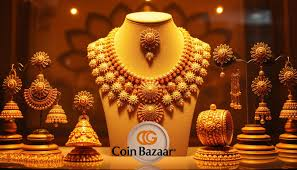
Jewelry has always been more than decoration. Across cultures and centuries, it has served as a powerful expression of identity, spirituality, wealth, and tradition. In many royal families and elite societies, jewelry also reflects religious devotion and cultural symbolism. One of the most influential spiritual figures to appear in jewelry design is Ganesha, the beloved elephant-headed god widely known as the remover of obstacles and the bringer of prosperity. The concept often referred to as “Ganesha Fortune” reflects the belief that wearing or owning objects featuring Ganesha invites good luck, wisdom, and protection. Over generations, this belief has significantly shaped the design and cultural meaning of royal jewelry collections.
From ancient temples to royal courts, Ganesha imagery has inspired jewelers to create intricate pieces combining spirituality with extraordinary craftsmanship. These pieces have been treasured not only for their beauty but also for the blessings they are believed to carry. Royal families across South Asia and beyond have embraced Ganesha-inspired jewelry as both sacred symbols and valuable heirlooms, passing them down through generations.
The Spiritual Significance of Ganesha
In Hindu tradition, Ganesha is revered as the deity of beginnings, wisdom, and success. Devotees often pray to him before starting important ventures, ceremonies, or journeys. His image appears in temples, homes, and Ganesha Fortune ceremonial spaces as a reminder of divine protection and positive fortune.
Because of these associations, Ganesha naturally became an important symbol in jewelry. The presence of his image in ornaments was believed to bring blessings to the wearer and safeguard valuable possessions. In royal contexts, such symbolism carried even deeper meaning. Rulers often sought divine favor to ensure stability, prosperity, and protection for their kingdoms.
This spiritual connection explains why Ganesha motifs became popular among royal jewelers who crafted ornaments for kings, queens, and nobility. These pieces were not only decorative but also expressions of faith and divine guidance.
The Influence of Ancient Indian Royal Courts
The tradition of incorporating religious symbols into jewelry flourished during the reigns of powerful Indian empires. One particularly influential period was the era of the Mughal Empire, when royal courts encouraged extraordinary artistic innovation.
Although the Mughal rulers themselves practiced Islam, their courts included artisans from diverse cultural backgrounds who blended Persian, Central Asian, and Indian artistic traditions. This cultural exchange resulted in highly detailed jewelry designs that sometimes incorporated symbolic motifs inspired by local beliefs.
Many regional royal families who interacted with Mughal craftsmanship adopted elaborate jewelry styles featuring gemstones, enamel work, and miniature carvings. In Hindu royal households, these techniques were often used to create pendants and rings depicting Ganesha in gold and precious stones.
Such pieces were typically worn during religious ceremonies or royal celebrations, reinforcing the connection between divine blessings and royal authority.
Sacred Jewelry as Royal Protection
For royal families, jewelry served not only as decoration but also as a form of symbolic protection. Amulets and talismans were commonly worn to guard against misfortune, illness, or negative influences. Ganesha’s image, associated with removing obstacles and granting wisdom, made him an ideal figure for protective jewelry.
Royal pendants depicting Ganesha were often placed in necklaces or ceremonial ornaments worn during important events such as coronations, weddings, or diplomatic gatherings. These pieces acted as spiritual safeguards, reminding rulers of their connection to divine guidance.
Many royal jewelers crafted Ganesha figures using gold, diamonds, rubies, and emeralds, reflecting both wealth and devotion. The combination of precious materials and sacred symbolism created jewelry that carried emotional, spiritual, and financial value.
Over time, these pieces became family treasures, passed from one generation to the next as symbols of continuity and cultural heritage.
Artistic Craftsmanship and Symbolic Design
Ganesha-inspired jewelry is admired not only for its spiritual meaning but also for its artistic complexity. Jewelers often portray the deity with remarkable attention to detail, capturing his elephant head, curved trunk, and symbolic attributes such as the lotus or sweet offerings he is often depicted holding.
Traditional artisans use a variety of techniques to create these designs, including gemstone inlay, engraving, and enamel decoration. Some pieces are carved from single gemstones such as jade or quartz, while others are formed from gold and decorated with intricate filigree patterns.
The artistic style of these ornaments evolved over centuries as different regions developed their own distinctive interpretations. In some areas, Ganesha figures appear in bold sculptural forms, while in others they are represented in delicate miniature carvings.
One notable region associated with royal jewelry craftsmanship is Jaipur, which has long been famous for gemstone cutting and traditional jewelry design. Artisans in Jaipur have created countless masterpieces featuring Ganesha motifs, many of which now belong to royal collections or museum exhibitions.
Ganesha Jewelry in Royal Celebrations
Royal ceremonies often involve elaborate jewelry traditions that reflect cultural identity and spiritual devotion. In Hindu royal families, jewelry featuring Ganesha frequently appears during wedding ceremonies and religious festivals.
For example, pendants or brooches with Ganesha motifs may be worn by brides or royal family members during wedding celebrations to symbolize blessings for a prosperous marriage. Similarly, during festivals such as Ganesh Chaturthi, families display or wear jewelry featuring the deity as part of devotional practices.
These traditions strengthen the emotional and cultural significance of such ornaments. Rather than being stored away as museum pieces, Ganesha-inspired jewelry continues to play an active role in cultural celebrations.
Over time, these ceremonial pieces become deeply connected to family memories, making them even more valuable as heirlooms.
The Global Influence of Ganesha Motifs
In recent decades, the influence of Ganesha-inspired jewelry has extended far beyond South Asia. Designers in Europe, the Middle East, and North America have embraced the aesthetic and symbolic appeal of Ganesha motifs, incorporating them into luxury jewelry collections.
High-end jewelry houses often reinterpret traditional designs with contemporary materials and modern craftsmanship. Some pieces feature stylized Ganesha forms created with diamonds or colored gemstones, blending ancient symbolism with modern fashion trends.
Collectors and art enthusiasts around the world are drawn to these pieces not only for their beauty but also for their spiritual meaning. Many people view Ganesha jewelry as a symbol of wisdom, creativity, and good fortune, making it popular among collectors seeking meaningful luxury items.
This global interest demonstrates how cultural symbols can travel across borders while retaining their original significance.
Heirlooms and Generational Legacy
One of the most important aspects of royal jewelry collections is their ability to preserve family heritage across generations. Jewelry often carries stories of historical events, personal relationships, and cultural traditions that shape a family’s identity.
Ganesha-inspired pieces are especially meaningful in this context because they symbolize continuity and divine blessing. When such jewelry is passed down through generations, it represents not only wealth but also the values and beliefs that unite a family.
Some royal families maintain entire collections dedicated to sacred symbols, including pendants, rings, crowns, and ceremonial ornaments featuring Ganesha. These collections serve as both cultural treasures and reminders of spiritual traditions that have guided families for centuries.
Museums and cultural institutions also preserve historic jewelry pieces that illustrate the influence of Ganesha imagery in royal design. These artifacts help historians understand how religion, art, and power interacted in royal societies.
The Enduring Legacy of Ganesha Fortune
The enduring popularity of Ganesha-inspired jewelry demonstrates the powerful connection between spirituality and artistic expression. Across centuries, the image of Ganesha has inspired jewelers to create objects that combine beauty, faith, and symbolism in extraordinary ways.
For royal families, these pieces represent more than luxury. They embody the belief that divine guidance and good fortune play an important role in leadership, prosperity, and family legacy.
As modern designers continue to reinterpret traditional motifs, the influence of Ganesha fortune remains strong in contemporary jewelry collections. Whether displayed in royal treasuries, worn during ceremonies, or admired in museums, these pieces continue to celebrate a timeless union of spirituality and craftsmanship.
Ultimately, the presence of Ganesha in royal jewelry reminds us that the most treasured ornaments often carry deeper meaning than their material value alone. They reflect the hopes, beliefs, and cultural heritage of the people who create and preserve them, ensuring that their beauty and significance endure across generations.