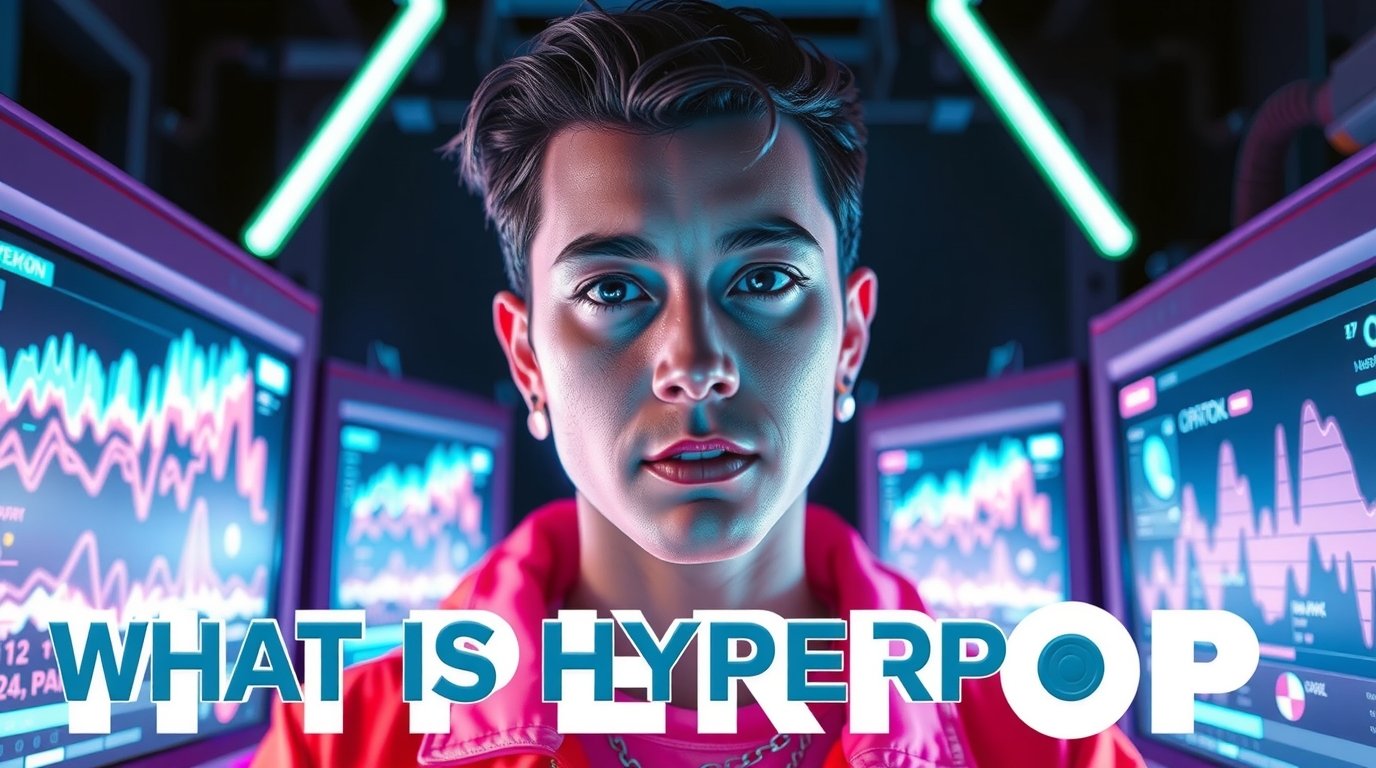
Hyperpop is loud, bright, and full of energy. It feels like the internet turned into music. The sound mixes pop, electronic beats, rap, and even video game noise. Songs are often fast and emotional. Voices can sound high, robotic, or heavily edited. Some people love it. Others feel confused at first.
The word hyperpop became popular around 2019 and 2020. Online playlists helped spread it fast. The style grew on apps like TikTok and SoundCloud. Many young fans found comfort in its chaotic beauty.
In this guide, I will explain hyperpop in simple words. We will explore its history, sound, artists, and culture. If you are new to hyperpop, this article will help you understand why it matters today.
The Origins of Hyperpop
Hyperpop did not appear from nowhere. It grew from internet music scenes. Producers in the mid-2010s started pushing pop music to extremes. They used distorted bass, shiny synths, and sharp vocal edits.
A key influence was the London-based collective PC Music. This group created bright, futuristic pop songs. Artists like A. G. Cook helped shape that early sound.
Soon, American artists joined the movement. Platforms like SoundCloud made it easy to upload strange new tracks. Fans shared songs on Twitter and Discord. Hyperpop became a digital community, not just a genre.
By 2020, streaming platforms created official hyperpop playlists. The label stuck. Even if artists did not like the term, fans used it widely.
What Makes Hyperpop Sound Different?
Hyperpop breaks the rules of normal pop music. Songs often have very fast tempos. The beats can switch suddenly. Melodies may sound sweet but chaotic.
Vocals are a big part of hyperpop. Singers use heavy auto-tune. Voices may sound pitched up or glitchy. This creates a playful or emotional effect.
Producers also use distorted bass and bright synths. The sound feels shiny and digital. Some tracks mix pop hooks with trap drums or EDM drops.
The goal is not perfection. It is exaggeration. Everything feels bigger and louder. That is why hyperpop stands out so clearly from traditional pop music.
Hyperpop and Internet Culture
Hyperpop belongs to the internet generation. Many artists grew up online. They learned music from YouTube tutorials. They built fan bases on TikTok.
Memes play a big role. Album covers often look colorful and chaotic. Lyrics may talk about online love, gaming, or digital life.
The community is also very open. Many hyperpop artists support LGBTQ+ voices. Fans feel safe expressing themselves. This strong online culture helped hyperpop grow quickly around the world.
Top Hyperpop Artists You Should Know
Several artists shaped hyperpop into a global trend. Here are some key names:
1. 100 gecs
This duo mixes noise, pop, and electronic chaos. Their album 1000 gecs became a cult favorite.
2. Charli XCX
She blended mainstream pop with experimental production. Her album how i’m feeling now helped hyperpop reach new fans.
3. SOPHIE
SOPHIE pushed electronic pop into bold new shapes. Many fans see her as a pioneer of hyperpop’s sound.
4. Dorian Electra
Known for theatrical style and sharp lyrics, Dorian blends pop with social commentary.
Each artist adds something unique. Together, they define the hyperpop movement.
Why Hyperpop Became So Popular
Hyperpop became popular because it feels honest. Young listeners connect with its raw emotion. Songs often talk about anxiety, love, and identity.
The sound is also exciting. It grabs attention fast. On TikTok, short loud clips work well. Hyperpop fits that format perfectly.
Streaming platforms helped too. Playlists introduced millions to the genre. Fans shared tracks in online communities. The growth felt organic and community-driven.
Is Hyperpop a Real Genre?
Some artists dislike the label hyperpop. They feel it limits creativity. Others accept it as a helpful tag.
In truth, hyperpop is more of a movement than a strict genre. It blends pop, trap, EDM, and emo. The rules are flexible. That freedom makes hyperpop exciting and hard to define.
How Hyperpop Influences Mainstream Music
Mainstream pop now uses brighter synths and heavier vocal edits. Many big artists borrow elements from hyperpop.
Even radio songs sometimes feature glitchy effects. The extreme edges of hyperpop have softened into pop trends. This shows its strong cultural impact.
Common Themes in Hyperpop Lyrics
Hyperpop lyrics often discuss digital life. Artists sing about online love and social media pressure.
Identity is another theme. Many songs explore gender and self-expression. The words feel honest and emotional. That raw feeling connects deeply with fans.
The Future of Hyperpop
Hyperpop continues to evolve. Some artists move toward softer sounds. Others push the chaos further.
The internet will likely shape its future. New tools make music production easier. Young creators keep experimenting. Hyperpop may change names, but its spirit will survive.
FAQs About Hyperpop
1. What is hyperpop in simple words?
Hyperpop is fast, loud pop music with heavy digital effects and emotional lyrics.
2. Who started hyperpop?
There is no single founder. Groups like PC Music and artists like SOPHIE shaped its early sound.
3. Is hyperpop only electronic music?
No. It blends pop, rap, EDM, and experimental styles.
4. Why do vocals sound high in hyperpop?
Producers use pitch effects and auto-tune for a playful or dramatic feel.
5. Is hyperpop still popular?
Yes. It remains strong online and influences modern pop music.
6. Where can I listen to hyperpop?
Streaming platforms like Spotify, Apple Music, and SoundCloud feature hyperpop playlists.
Conclusion: Why Hyperpop Matters Today
Hyperpop is more than a trend. It is a digital culture movement. It shows how the internet shapes music. The sound may feel wild at first. But it carries real emotion and creativity.
I have followed hyperpop since its early online days. Watching it grow has been exciting. It proves young artists can change music without big labels.
If you enjoy bold sounds and honest lyrics, explore hyperpop today. Listen to a few artists mentioned above. You might discover your next favorite song.