Purchasing a new home is thrilling, but it also comes with some serious responsibilities, especially when it comes to protecting your investment. The roof is arguably the most critical component of any home, shielding everything underneath from rain, wind, snow, and blazing sun. Here’s something many new homeowners don’trealize even recently purchased homes can have roofing problems that weren’t obvious during the initial walkthrough or inspection. Recognizing the warning signs of roof deterioration early can save you thousands of dollars in water damage, skyrocketing energy bills, and emergency repairs. Whether you’ve just received your keys or you’re still in the evaluation phase before closing, knowing how to assess your roof condition is essential for protecting your investment and keeping your family safe and comfortable.
Understanding the Age and History of Your Roof
Your roof age is probably the single most important factor in determining whether you’ll need a replacement anytime soon. Most asphalt shingle roofs, the kind you’ll find on the vast majority of homes, typically last somewhere between twenty and twenty-five years under normal conditions. When you’re buying a home, it’s smart to ask for documentation about when the roof was installed and what repairs have been done over the years. If the previous owner doesn’t have records (which happens more often than you’d think), a professional roofing contractor can usually estimate the roof age by examining the materials and their current condition.
Visual Signs of Roof Deterioration
Getting up on a ladder (safely!). Or using binoculars from the ground can reveal plenty of warning signs that your roof might be nearing the end of its useful life. Curling, cracking, or missing shingles are clear indicators that things aren’t looking good up there. When shingle edges start curling upward or the centers begin cupping downward, it means the materials have become brittle and can’t provide the protection they once did. Another thing to watch for is granule loss from asphalt shingles; those tiny, sandpaper-like granules protect the underlying asphalt from UV damage and help with fire resistance.
Interior Warning Signs and Water Damage
While checking the outside of your roof is important, what’s happening inside your home tells an equally compelling story about your roof’s condition. Water stains on ceilings or walls are obvious red flags that moisture has gotten past your roof’s defenses. These stains usually show up as brown or yellow discolored patches, and they tend to grow larger over time if you don’t address the problem. Your attic is actually the best place to spot roof leaks before they become visible in your living areas.
Professional Roof Inspections and Assessments
Sure, you can spot many roofing issues yourself through careful observation, but professional roof inspections provide comprehensive evaluations that untrained eyes simply can’t match. Qualified roofing contractors bring expertise, proper safety equipment, and years of experience to thoroughly assess every aspect of your roof condition. They’ll examine more than just the visible shingles, they check the flashing around chimneys and vents, inspect the underlayment where they can access it, and evaluate the structural integrity of the entire roofing system. These professionals can catch subtle signs of deterioration that aren’t obvious yet, giving you time to plan for necessary replacements before you’re dealing with an emergency. Most reputable roofing companies offer free or affordable inspections, which makes this professional service accessible for new homeowners who are concerned about their roof. The documentation from these inspections can prove invaluable for insurance claims, warranty issues, and when you eventually sell your home. It’s worth scheduling inspections at least once a year, or right after severe weather rolls through your area. When you’re dealing with damage from hail, strong winds, or fallen branches, reach out to specialists who provide storm damage roof repair to ensure you get a comprehensive assessment and proper restoration.
Material Quality and Installation Standards
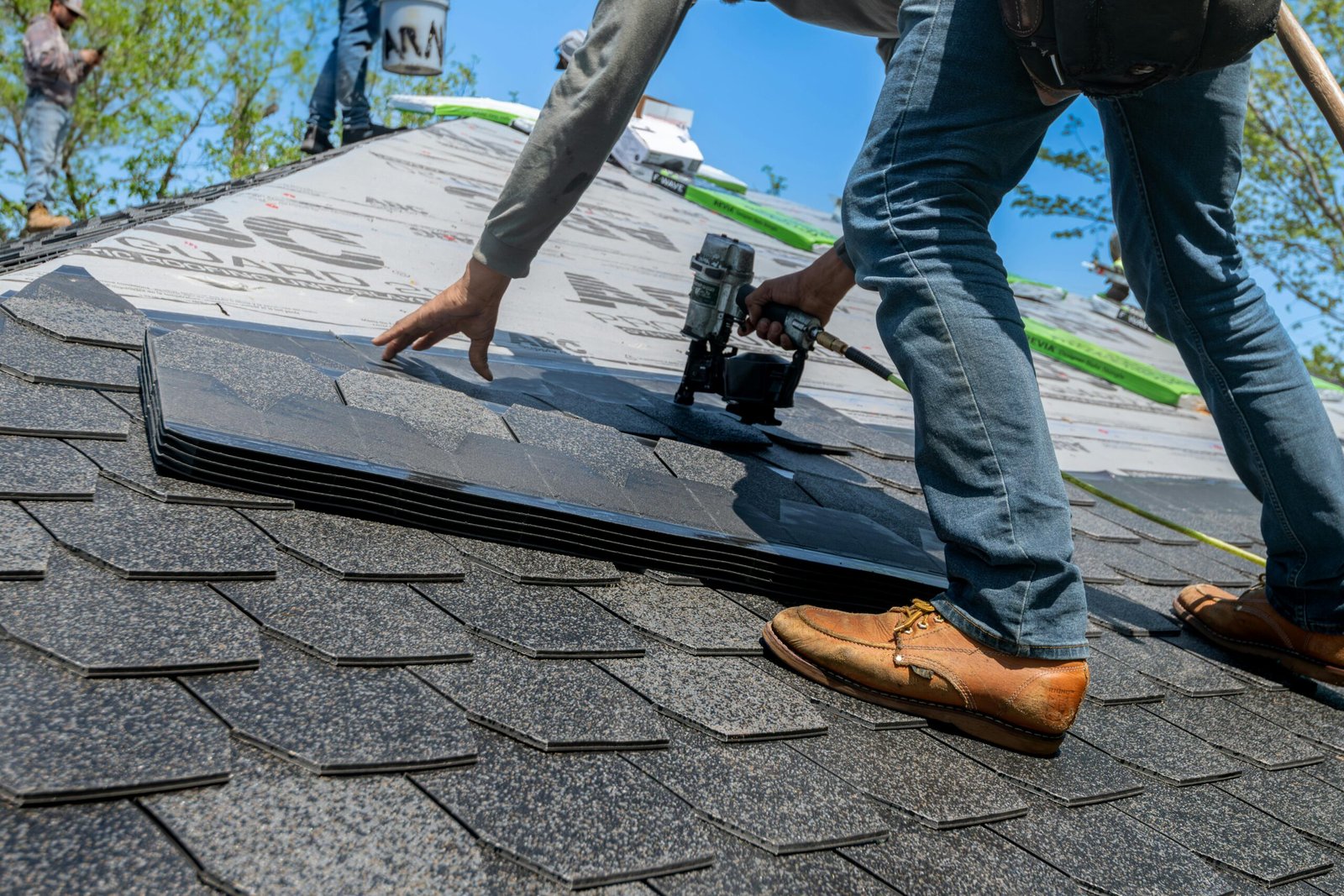
The quality of your roofing materials and how well they were installed make a huge difference in how long your roof will effectively protect your home. Premium roofing materials with enhanced durability, better warranties, and superior weather resistance naturally outlast the economy-grade stuff. When you’re evaluating your new home roof, take some time to research the manufacturer and the specific product line that was used. This gives you insight into what kind of performance and longevity you can expect. Here’s the thing though: installation quality is just as important as material quality.
Conclusion
Figuring out whether your new home needs a roof replacement isn’t always straightforward; it requires looking at multiple factors, from age and visible condition to interior warning signs and professional evaluations. Regular inspections, both the kind you do yourself and the professional variety, help you catch problems early when repairs might still be a realistic option. Understanding what quality of materials were used and how well the installation work was done helps you set realistic expectations about how long your roof should last. Yes, replacing a roof is expensive,there’s no getting around that. But addressing roofing problems promptly prevents far more extensive and costly damage to your home’s interior and structure down the line. By staying vigilant and proactive about roof maintenance and replacement needs, you’re protecting your investment and ensuring your family stays safe, dry, and comfortable for many years to come.