As we navigate the journey of aging, maintaining physical health often takes center stage in our wellness priorities. Yet there’s another crucial piece of the puzzle that doesn’t always get the attention it deserves social engagement. The connections we forge and maintain with others profoundly influence our mental, emotional, and even physical well-being as we grow older. Research consistently shows that older adults who remain socially active experience better health outcomes, sharper minds, and a higher quality of life compared to those who become isolated. Understanding just how much social engagement matters empowers individuals, families, and communities to make meaningful connections a non-negotiable part of senior wellness.
The Connection Between Social Activity and Physical Health
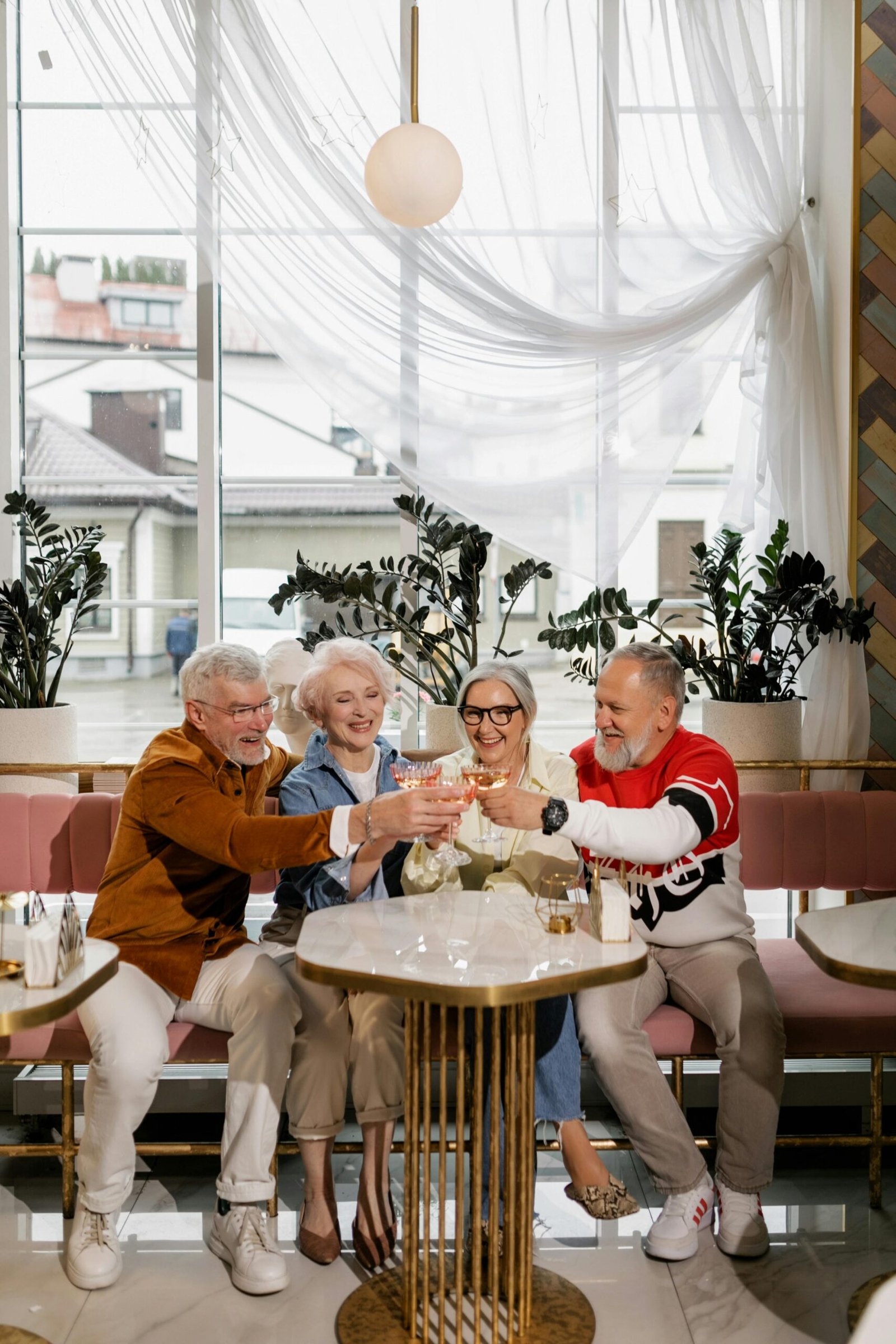
Here’s something that might surprise you: social engagement plays a remarkably powerful role in maintaining physical health throughout our later years. Studies reveal that socially active seniors tend to have stronger immune systems, lower blood pressure, and reduced inflammation markers compared to those experiencing social isolation. When you participate in group activities, whether that’s recreational outings, educational classes, or volunteer work, you’re naturally moving your body more than you might otherwise. These regular social interactions motivate older adults to stick with healthier lifestyle habits, including better nutrition, consistent exercise routines, and followingthrough with medical recommendations. There’s something about knowing that others depend on you and value your presence that inspires better self-care. Even more compelling, research indicates that socially engaged older adults bounce back more quickly from illnesses and surgical procedures, demonstrating just how tangible the healing power of human connection really is.
Mental Wellness and Cognitive Benefits
The cognitive advantages of staying socially engaged can’t be overstated when we’re talking about healthy aging strategies. Engaging in conversations, friendly debates, and social problem-solving provides continuous mental stimulation that helps maintain neural pathways and keeps your mind flexible. Older adults who regularly participate in social activities show better memory retention, sharper critical thinking skills, and slower rates of cognitive decline compared to their more isolated peers. Think about it: every social interaction challenges your brain in different ways, remembering names and stories, following complex conversations, picking up on social cues.
Combating Loneliness and Depression
Loneliness and depression rank among the most significant health threats facing older adults today, which makes social engagement a critical protective shield. The emotional isolation that comes with limited social contact can trigger or worsen depression, creating a harmful downward spiral that diminishes overall quality of life. Regular social interaction provides emotional validation, purpose, and that fundamental sense of belonging we all need at any age. Older adults who maintain active social lives consistently report higher levels of happiness, life satisfaction, and emotional resilience when facing the inevitable challenges that come with aging.
Practical Ways to Enhance Social Connections
Creating and maintaining social connections in later life takes intentional effort, but the rewards for those who invest the time are tremendous. Community centers frequently offer programs specifically designed for older adults, including fitness classes, crafts, educational seminars, and social gatherings that make relationship building feel natural and effortless. Volunteering provides meaningful ways to contribute to your community while simultaneously connecting with like-minded individuals who share your values and interests. Technology has opened entirely new avenues for social engagement, video calling, social media platforms, and online interest groups enable connections that transcend geographical limitations that might have felt insurmountable in the past.
The Role of Living Environments in Fostering Connection
The physical environment where older adults live significantly influences their ability to maintain active social lives. Walkable neighborhoods with accessible gathering spaces, parks, and community facilities encourage those spontaneous social interactions and regular participation in group activities that build real friendships. Living arrangements that prioritize communal spaces and organized social programming remove many barriers to engagement that isolated individuals might otherwise face. When choosing residential options, seniors who need both independent living and vibrant social opportunities often explore communities like SummerHouse in Bay Cove, where housing communities designed with seniors in mind incorporate features such as shared dining areas, activity rooms, libraries, and outdoor spaces that naturally facilitate interaction among residents. Transportation accessibility also plays a crucial role, after all, the ability to easily reach social venues, cultural events, and community gatherings directly impacts whether people actually participate. Environments that promote safety, comfort, and ease of movement encourage older adults to venture out and connect with others rather than remaining isolated in their private spaces. Thoughtfully designed living spaces recognize that architecture and community planning aren’t merely about physical structures,they’re about creating entire ecosystems that support human connection and overall wellbeing.
Conclusion
The evidence overwhelmingly supports social engagement as a cornerstone of healthy aging, influencing everything from physical vitality to cognitive sharpness and emotional resilience. As our understanding of the aging process deepens, it’s become increasingly clear that the quality of our social connections matters just as much as traditional health markers like diet and exercise. Prioritizing social engagement requires awareness, intentionality, and sometimes stepping outside comfort zones, but the returns on this investment are immeasurable in terms of enhanced wellbeing and life satisfaction. Whether through structured community programs, informal friendship networks, or supportive living environments, older adults have numerous pathways to cultivate the meaningful connections that sustain health and happiness throughout their later years. By recognizing social engagement not as a luxury but as a fundamental component of wellness, we can collectively create communities and systems that support truly healthy aging for everyone.