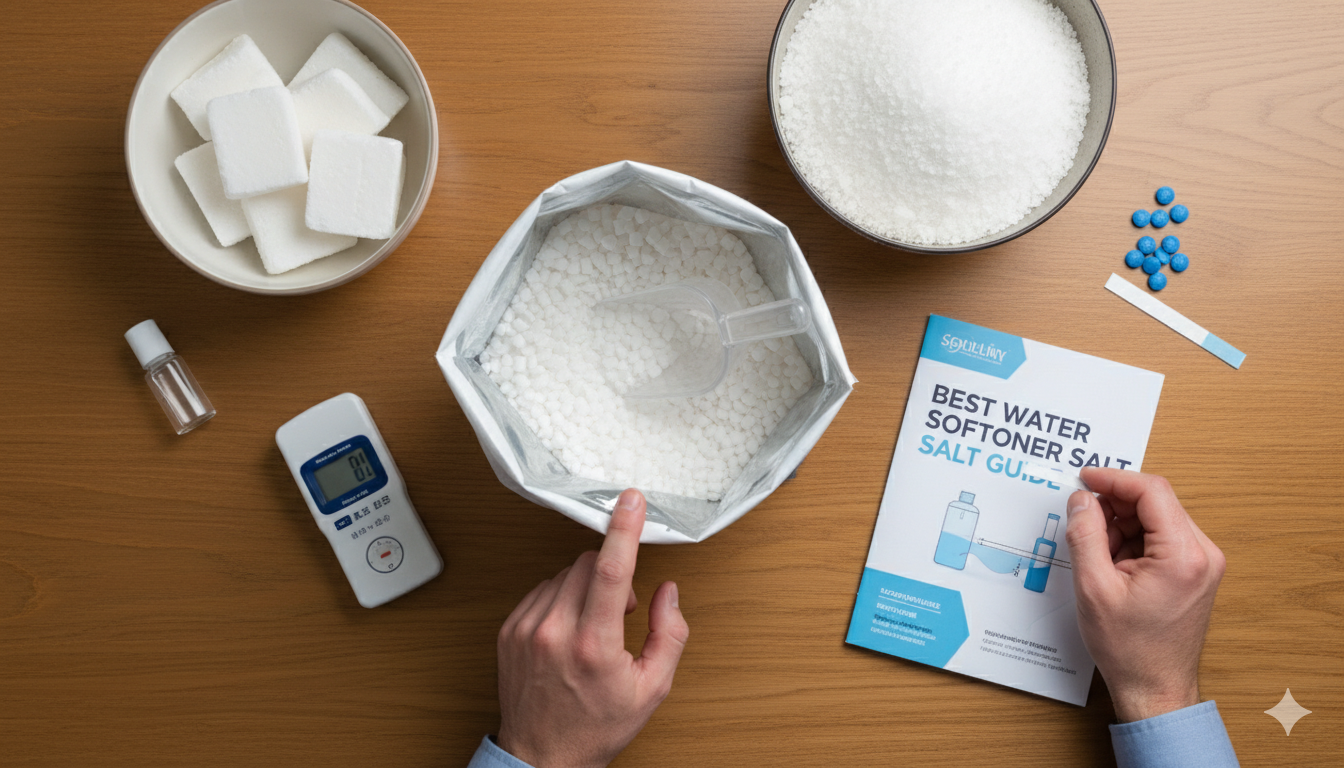
Hard water can be a real headache for your home. It leaves spots on your dishes and makes your skin feel itchy. To fix this, most people use a system that needs water softener salt to work right. This salt helps swap out minerals like calcium for a cleaner feel. If you pick the wrong kind, your machine might get clogged or stop working. Choosing a high-quality water softener salt keeps your pipes clear and your appliances running longer. It is one of those small chores that makes a huge difference in how your house feels every day. I always tell my friends that a little bit of knowledge here saves a lot of money on repairs later.
What Exactly is Water Softener Salt?
Think of water softener salt as the fuel for your water system. It usually comes in big bags of pellets or crystals. Its main job is to help a process called ion exchange. Inside your tank, there are tiny beads that grab onto hard minerals. After a while, those beads get full and tired. The water softener salt creates a brine solution that “washes” those beads so they can start working again. Without enough water softener salt, your water will turn hard again very quickly. It is not just regular table salt; it is specially made to dissolve slowly and cleanly. Using the right water softener salt ensures your morning shower stays bubbly and your clothes stay soft.
The Different Types of Salt You Can Buy
When you go to the store, you will see many bags of water softener salt. The three main types are evaporated pellets, solar crystals, and rock salt. Evaporated pellets are the purest and usually the best choice for most homes. They don’t leave much “muck” in your tank. Solar crystals are made by the sun drying out seawater. They work well but can sometimes cause “salt bridges” if you aren’t careful. Rock salt is the cheapest, but it has more dirt and minerals in it. I usually recommend spending a few extra dollars on high-quality water softener salt pellets. It keeps your system cleaner for a much longer time.
Comparing Salt Types for Your Home
| Feature | Evaporated Pellets | Solar Crystals | Rock Salt | Potassium Chloride |
| Purity Level | Very High (99.9%) | High (99.6%) | Low to Medium | High |
| Solubility | Excellent | Good | Fair | Good |
| Price | Moderate | Low | Very Low | High |
| Best For | High usage homes | Standard systems | Basic systems | Low-sodium diets |
| Maintenance | Very Low | Low | High | Low |
How Much Salt Does Your System Need?
Many people ask how often they should add water softener salt to their tanks. A good rule of thumb is to check the tank once a month. You want the water softener salt level to be at least half full. If you see water at the top of the salt, it is definitely time to add more. Depending on how much water your family uses, you might go through one or two bags a month. If you have very hard water, you will use more water softener salt than someone with softer water. Keeping an eye on it prevents the “hard water surprise” during your next laundry day.
Signs You Are Low on Water Softener Salt
It is easy to forget about the tank in the basement or garage. However, your body will tell you when the water softener salt is running low. Your soap won’t get very sudsy in the shower anymore. You might notice white crusty spots on your sink faucets or showerheads. Another big sign is when your hair feels sticky or dry after washing it. If you see these things, go check your brine tank immediately. Adding water softener salt right away will fix the problem within a few hours. I like to set a monthly reminder on my phone so I never run out.
Dealing with Salt Bridges and Mush
Sometimes, the water softener salt in your tank can form a hard crust. This is called a salt bridge. It looks like the tank is full, but there is actually a hollow space underneath. This means the water can’t reach the water softener salt to make the brine. You can fix this by gently poking the salt with a broom handle to break the crust. Another issue is “mushing,” where the salt turns into a thick paste at the bottom. This usually happens if you use low-quality salt or if the room is too humid. Using premium water softener salt helps prevent these annoying problems from happening.
Is Potassium Chloride a Good Alternative?
Some people prefer not to use traditional water softener salt because of the sodium. If you are on a very strict diet, you can use potassium chloride instead. It works the same way but adds potassium to the water instead of a tiny bit of salt. It is much more expensive than regular water softener salt, though. It is also better for the environment if you water your plants with softened water. Most systems can handle both, but you might need to change a setting on your machine. For most families, standard water softener salt is perfectly fine and much more affordable.
How to Properly Store Your Salt Bags
Water softener salt is very good at soaking up moisture from the air. If the bags get damp, the salt can clump together and become hard to pour. Always store your extra bags in a dry place, off the ground if possible. I keep mine on a small wooden pallet in the garage. If a bag gets a small hole, tape it up to keep the air out. Keeping your water softener salt dry makes it much easier to handle when it is time to refill the tank. It also ensures that the salt dissolves correctly once it is inside your system.
Maintaining Your Brine Tank for Longevity
Adding water softener salt is the main task, but a little cleaning helps too. Every year or two, it is a smart idea to empty the tank and scrub it out. Old salt and minerals can build up at the bottom over time. This “sludge” can clog the parts that move the water around. By keeping the tank clean, your water softener salt can do its job much better. It only takes about an hour of work, and it can add years to the life of your machine. A clean tank means cleaner water for your family to enjoy.
Environmental Impact of Softener Salt
We should always think about where our water goes after we use it. When the system cleans itself, it flushes out some water softener salt brine. In some areas, there are rules about this to protect local lakes and rivers. To be helpful, only use as much water softener salt as you actually need. Don’t set your machine to clean more often than necessary. Modern “smart” systems are great because they track your water use. They only use the water softener salt when the beads are actually dirty. This saves you money and is much better for nature.
Frequently Asked Questions
- Can I use ice melt instead of water softener salt?
- No, you should never do this! Ice melt has chemicals that are not safe for drinking water. Only use salt labeled specifically as water softener salt.
- How long does a bag of salt last?
- For a family of four, one 40-pound bag of water softener salt usually lasts about three to four weeks.
- Is softened water safe to drink?
- Yes, it is safe. The amount of sodium added by water softener salt is very small, usually less than what is in a slice of bread.
- Why is my salt tank full of water?
- A little water is normal, but if it is halfway full, you might have a clog. Check your drain line or break up any water softener salt bridges.
- Does the brand of salt matter?
- The brand matters less than the purity. Look for water softener salt that is 99% pure or higher for the best results.
- Can I mix different types of salt?It is best not to mix them. If you want to switch, wait until the tank is almost empty before adding the new water softener salt.
Conclusion: Keep Your Water Happy
Taking care of your home means taking care of your water. By choosing the right water softener salt, you protect your pipes and your skin. It is a simple habit that pays off in the long run. Remember to check your tank once a month and use high-purity pellets whenever you can. This keeps your system running smoothly and your water feeling great. If you stay on top of it, you’ll never have to deal with hard water stains again.