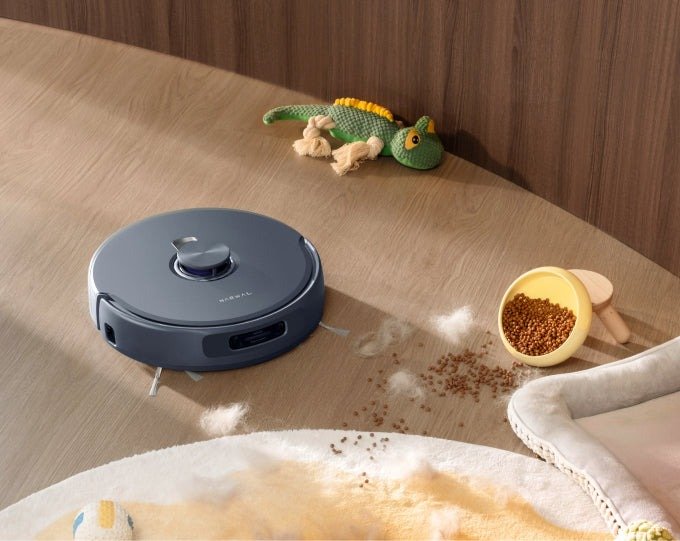
Allergies affect many households around the world. Dust, pollen, and pet hair often collect on floors and carpets. These particles can trigger symptoms and reduce comfort at home. As awareness grows, people look for better ways to manage indoor cleanliness.
In allergy-conscious homes, cleaning is not just about appearance. It is about reducing irritants that affect daily life. Automated cleaning tools have become part of this effort. They offer consistent floor care with less manual work.
Understanding Allergens Inside the Home
Indoor allergens are often invisible. Dust mites, fine debris, and outdoor particles enter homes every day. Shoes, clothing, and open windows all contribute to this problem.
Once inside, allergens settle on floors and surfaces. Walking around can push them back into the air. Regular floor cleaning helps limit this cycle and improves air quality.
Why Floors Matter for Allergy Control
Floors act as large collection areas for allergens. Hard floors trap dust in corners and gaps. Carpets hold particles deep within their fibers.
If floors are not cleaned often, allergens continue to build up. This can worsen symptoms over time. Frequent cleaning is one of the simplest ways to reduce exposure.
The Value of Consistent Cleaning
Many households clean floors once or twice a week. For allergy sufferers, this may not be enough. Allergens return quickly, especially in busy homes.
Consistency is key for allergy management. Automated tools help maintain regular cleaning without extra effort. This makes it easier to keep allergens under control.
How Automation Supports Allergy Awareness
Automated floor cleaners work on a set routine. They move across floors methodically and cover areas that are often missed. This regular pattern supports better allergen removal.
Because they work without supervision, they reduce reliance on memory or motivation. For allergy-conscious households, this reliability is a major benefit.
Reaching Hidden Areas
Dust often collects under furniture and along edges. These areas are hard to reach with traditional tools. Over time, allergens build up in these hidden spots.
Automated cleaners are designed to move into tight spaces. By reaching under beds and sofas, they help reduce allergen reservoirs that might otherwise be ignored.
Supporting Busy Lifestyles
People with allergies often balance work, family, and health concerns. Daily manual cleaning can feel overwhelming. Skipping sessions may lead to discomfort later.
Using a robot vacuum allows households to stay on top of cleaning with less effort. This support helps people focus on managing symptoms rather than chores.
Reducing Airborne Particles
When floors are cleaned regularly, fewer particles are disturbed by movement. This helps limit allergens floating in the air. Cleaner floors often lead to a more comfortable breathing environment.
For allergy-sensitive individuals, this difference can be noticeable. Fewer particles mean fewer triggers during daily activities.
Pet Owners and Allergy Management
Pets bring joy, but they also shed hair and dander. These allergens spread quickly across floors. Even well-groomed pets contribute to indoor particles.
Automated cleaning helps manage pet-related allergens between deep cleanings. Frequent floor care reduces buildup and supports a healthier shared space.
Complementing Other Allergy Strategies
Automated floor cleaning works best as part of a larger plan. Air filters, proper ventilation, and regular washing of fabrics also matter. Together, these steps create a cleaner environment.
Floor care plays a central role in this system. Clean floors prevent allergens from spreading to other areas of the home.
Long-Term Benefits for Households
Over time, consistent cleaning can reduce overall allergen levels. This may lead to fewer symptoms and better comfort. Households often notice improved cleanliness without extra effort.
For families with children or elderly members, this support is especially valuable. A cleaner floor means a safer and more comfortable living space.
Looking Toward Health-Focused Living
As health awareness grows, more households focus on prevention. Managing allergens is part of this shift. Automated cleaning reflects a practical response to modern health concerns.
Rather than replacing traditional methods, automation enhances them. It provides steady support for allergy-conscious households and promotes long-term well-being.
Conclusion
Allergy-conscious households require thoughtful cleaning habits. Floors play a major role in controlling indoor allergens. Regular and consistent care makes a clear difference.
Automated floor cleaning offers a reliable solution for modern homes. By supporting daily cleanliness, it helps create healthier spaces for those sensitive to allergens.