Pool owners often focus on power, runtime, or price. Those things matter, but they do not answer one basic question: can the cleaner handle the shape of the pool?
That question is more important than many people expect. Two pools can hold a similar amount of water and still create very different cleaning results. One may be open and simple. The other may have curves, steps, shelves, and tight corners. A cleaner that works well in one setup may leave obvious gaps in the other.
This is why pool shape deserves more attention before buying any cleaning system. Shape affects movement, coverage, debris patterns, and the amount of manual work left after the cleaning cycle ends. If homeowners ignore that, they may blame the cleaner when the real issue is a poor match between the machine and the pool layout.
Simple Shapes Usually Clean More Easily
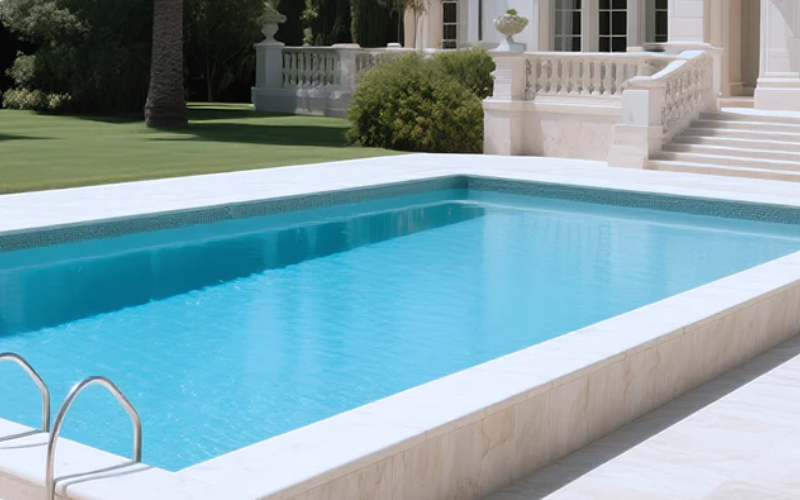
A basic rectangular pool is the easiest place for most cleaners to perform well.
The reason is clear. Straight lines are easier to follow. Corners are predictable. The floor is often more open. Movement tends to be smoother, and debris often settles in patterns that are easier to read.
In this kind of pool, coverage is easier to achieve. The cleaner spends less time adjusting direction. It is less likely to waste effort in awkward turns. That usually means a more even result with less missed space.
This does not mean every cleaner will perform perfectly in a simple pool. It means the shape gives it a better chance to do so.
Curved Pools Change the Cleaning Path
A freeform pool creates a different challenge.
Curves may look attractive, but they can complicate movement. A cleaner cannot rely on straight passes for long. It must keep adjusting direction. In some cases, that leads to uneven pathing. One area may be covered twice while another gets less attention.
Curves can also affect where debris gathers. Leaves and fine dirt may settle along the inside edges of bends. Some sections may look clean while nearby curved zones still hold residue.
This is where homeowners need to think beyond simple cleaning claims. A cleaner may be able to move through a curved pool, but that is not the same as cleaning it well. In a freeform layout, the quality of the path matters more than it does in a simple rectangle.
Steps and Sun Shelves Create Missed Areas
Many modern pools include wide steps, tanning ledges, or shallow shelves. These features improve comfort, but they also make cleaning harder.
These areas often hold small debris. Dust, grit, and plant matter can settle there and stay trapped. Because the depth changes quickly, some cleaners pass by these sections without giving them enough attention. Others may move across them unevenly.
This is a common source of frustration. The main pool floor looks better, but the shallow features still look dusty. When that happens, the owner still has to return and clean those spots by hand.
That is why steps and shelves should always be part of the buying decision. They are not minor design details. They are regular cleaning zones.
Tight Corners Can Trap Dirt
Corners are often where a pool cleaner’s limits become obvious.
Sharp corners can collect leaves, sand, and fine dirt. Water movement may slow there, and debris can stay packed into the same spot. Some cleaners move past those sections too quickly. Others reach the area but fail to clear it fully.
This matters because corners create the feeling of incomplete cleaning. A pool can look mostly clean, but dirty corners stand out. They also tend to get worse fast if they are missed for several cycles.
Homeowners should not assume that all corners behave the same way. A pool with four standard corners is different from one with narrow transitions, small recessed areas, or complex edge changes. The tighter the geometry, the more attention cleaner movement deserves.
Deep Ends and Slopes Affect Stability
A sloped floor changes how a cleaner moves.
In many in-ground pools, the cleaner must transition from a shallow end to a deeper section. That sounds simple, but the slope can affect traction, direction, and debris pickup. Fine dirt often settles at the lower end of the slope or in the deepest section. If the cleaner struggles there, the dirtiest part of the pool may stay dirty longest.
A deep end also changes inspection. It is harder for the owner to see the floor clearly, so missed debris may not be noticed right away. That can make the cleaner seem effective at first, even when performance is uneven.
This is why slope handling is worth checking in real use. A cleaner should not only work on flat sections. It should stay effective as the floor angle changes.
Irregular Shapes Need Better Coverage, Not Just More Movement
A common buying mistake is assuming that a cleaner that moves more must clean better.
That is not always true. In an irregular pool, extra movement can still produce poor results if the path is inefficient. The cleaner may spend too much time turning, revisiting open areas, or drifting away from the places that need more attention.
What matters is useful coverage. The machine should make progress across the whole pool instead of moving randomly or overworking simple zones. This is especially important when the layout includes curves, benches, ledges, and changing depths in the same pool.
When comparing performance in a more complex shape, it often helps to watch how a unit like iGarden Pool Cleaner handles transitions between open floor space and edge-heavy sections, since that usually reveals more than a basic runtime number.
That kind of check tells you more about real-world fit than broad marketing claims.
Pool Shape Also Changes Debris Behavior
Shape does not only affect the cleaner. It affects the dirt.
A long narrow pool may push leaves toward one end. A curved pool may collect fine debris along interior bends. Steps may hold grit. Benches may catch dust. The waterline may become more uneven in pools with many turns and edges.
This means homeowners should not only ask, “Can the cleaner cover the pool?” They should also ask, “Where does dirt usually build up in this shape?”
That second question is often more useful. If the pool has predictable problem zones, the cleaner must perform well in those exact areas. A general cleaning cycle is not enough if the same trouble spots still need hand cleaning every week.
What Homeowners Should Check Before Buying
Before choosing a cleaner, it helps to review the pool like a map.
Start with the overall shape. Is it a clean rectangle, a kidney shape, a freeform design, or something more complex? Then look at the features inside that outline. Count the steps. Note any tanning ledges, benches, curves, tight corners, and depth changes.
After that, think about where debris usually settles. Does the deep end collect fine dirt? Do leaves drift to one side? Do steps always look dusty?
These checks matter because they connect the cleaner to the real maintenance routine. A cleaner is not judged by how it performs in theory. It is judged by how much work it removes in your actual pool.
The Right Fit Starts With the Pool Shape
Pool shape has a direct effect on cleaner performance. It changes movement, coverage, and the places where dirt collects. A simple pool usually gives cleaner results with less effort. A more complex pool demands better path control and more thoughtful coverage.
That is why shape should be one of the first things a homeowner considers. The cleaner should match the layout, not just the idea of a pool in general.
When buyers take the time to check steps, corners, slopes, shelves, and curves before making a decision, they make it much easier to choose a system that performs well in real use. And when the shape and the cleaner work together, pool maintenance becomes far more predictable.