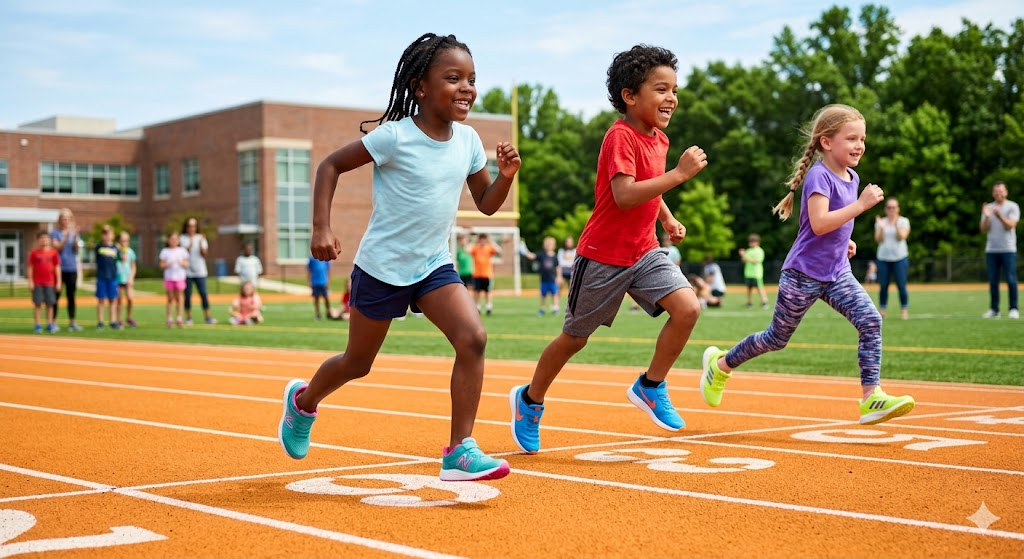
Finding the right kids running shoes is about more than just a cool color or a fun brand logo. As a parent, you want to make sure your child stays active without hurting their growing feet. When kids run, jump, and play, their feet take a lot of pressure. A high-quality pair of sneakers provides the cushion they need to stay comfortable all day long. Whether they are joining a track team or just racing friends at recess, the right footwear makes a huge difference. In this guide, we will look at how to choose the best shoes that offer support, durability, and style. Let’s dive into what makes a shoe truly great for your active youngster.
Essential Features of High-Quality Kids Running Shoes
When you start shopping, you might feel overwhelmed by all the choices on the shelf. However, great kids running shoes usually have three main things: comfort, flexibility, and grip. You want a shoe that bends easily at the toes so your child can move naturally. The sole should have enough traction to prevent slips on the playground or the gym floor. Breathable mesh materials are also important because they keep feet cool and prevent odors. I always suggest looking for shoes with reinforced toes, as kids tend to drag their feet when they get tired. These small details ensure the shoes last much longer than a few weeks.
Understanding Different Foot Types and Arch Support
Just like adults, children have different foot shapes that require specific types of kids running shoes. Some kids have flat feet, while others have high arches. If your child complains about foot pain, they might need extra arch support. A neutral shoe works best for most kids, but those who overpronate—where the foot rolls inward—might need more stability. You can check your child’s old shoes to see how they wear down. If the inside of the heel is worn out, they likely need a stability shoe. Getting the right fit for their specific foot type helps prevent injuries and keeps them running longer.
Top Benefits of Investing in Professional Running Footwear
You might be tempted to buy cheap sneakers, but investing in real kids running shoes pays off. Professional-grade footwear uses better foam technology to absorb shock. This protects your child’s joints from the hard impact of pavement. These shoes are also designed to be lightweight, so they don’t weigh your child down during a race. I have noticed that when kids wear proper athletic shoes, they feel more confident and excited to participate in sports. Good shoes also hold their shape better over time, meaning you won’t have to replace them as often as “fashion” sneakers that fall apart quickly.
Comparison Table: Best Kids Running Shoes Features
| Feature | Daily Play Shoes | Performance Track Shoes | Trail Running Shoes |
| Best For | Recess & School | Racing & Gym Class | Hiking & Muddy Paths |
| Cushioning | Medium | High Response | Heavy Duty |
| Durability | High | Medium | Very High |
| Weight | Standard | Ultralight | Sturdy |
| Traction | Rubber Siping | Smooth/Grippy | Deep Lugs |
How to Measure Your Child’s Feet at Home
Getting the right size in kids running shoes is a common challenge because children grow so fast. To measure at home, have your child stand on a piece of paper with their weight even. Trace around their foot and measure the length from the heel to the longest toe. Always leave about a thumb’s width of space at the front. This extra room allows for natural foot growth and prevents toes from getting cramped. Remember to measure both feet, as one is often slightly larger than the other. Always buy for the larger foot to ensure total comfort during high-energy activities.
The Difference Between Velcro and Lace-Up Options
Choosing between laces and straps depends on your child’s age and skill level. For younger children, kids running shoes with hook-and-loop closures (Velcro) are a lifesaver. They allow kids to put on their own shoes and get out the door faster. However, as kids get older and start running more seriously, laces are better. Laces provide a more secure, “locked-in” feel that keeps the foot from sliding around inside the shoe. If your child struggles with knots, you can even find elastic “no-tie” laces that offer the best of both worlds. Safety is key, so make sure whatever you choose stays tight.
Tips for Maintaining and Cleaning Athletic Footwear
Kids are experts at getting their kids running shoes dirty in record time. To make them last, try to avoid putting them in the washing machine too often. The high heat can break down the glue and ruin the cushioning. Instead, use a soft brush and mild soap to scrub away mud and dirt. If the shoes get soaking wet, stuff them with newspaper and let them air dry away from direct heat. This helps them keep their shape and prevents them from smelling bad. Regular cleaning not only keeps them looking new but also maintains the integrity of the materials for better performance.
When Is It Time to Replace Your Kids Running Shoes?
It can be hard to tell when kids running shoes are worn out just by looking at the top. You should check the bottom of the soles for “balding” spots where the grip has disappeared. Another sign is if the midsole looks wrinkled or feels hard instead of bouncy. Most experts recommend replacing running shoes every 300 to 500 miles, but for kids, they usually outgrow them before the shoe fails. If your child starts complaining of foot or knee pain, it is a big red flag. Check the fit every two months to ensure they still have that necessary wiggle room.
Promoting Healthy Habits Through Physical Activity
Buying a new pair of kids running shoes is a great way to encourage a healthy lifestyle. When a child has comfortable gear, they are more likely to want to go outside and move. You can make it a family activity by going for a jog or a walk in the park together. Physical activity helps kids build strong bones and improves their mood. It also teaches them about goal setting and persistence. I love seeing the look on a child’s face when they realize they can run faster just because their feet feel good. Great shoes are the first step toward a lifetime of fitness.
Frequently Asked Questions
1. Are expensive kids running shoes worth the price?
Yes, usually. Higher-priced shoes use better materials that protect your child’s feet and last longer under heavy use.
2. Can my child wear running shoes for everyday school use?
Absolutely! Most kids running shoes are designed for versatility and are comfortable enough for all-day wear at school.
3. How much room should be at the toe of the shoe?
You should aim for about half an inch, or roughly the width of your thumb, between the longest toe and the end of the shoe.
4. Are “waterproof” shoes good for running?
Waterproof shoes are great for rain, but they are less breathable. For regular running, a mesh shoe is usually better to keep feet dry from sweat.
5. How often should I check my child’s shoe size?
Children’s feet grow quickly! It is a good habit to check their fit every 2 to 3 months to avoid them wearing shoes that are too small.
6. Do kids need specific shoes for track and field?
If they are competing, a lightweight pair of kids running shoes is best. For casual fun, a standard high-quality sneaker works perfectly fine.
Conclusion
Choosing the perfect kids running shoes doesn’t have to be a stressful task. By focusing on a good fit, quality materials, and the right support, you are setting your child up for success. Remember to measure their feet often and look for shoes that offer a balance of flexibility and durability. Whether they are sprinting on the track or playing tag in the backyard, their feet deserve the best protection possible. Ready to get your child moving? Grab a high-quality pair today and watch them run with a smile!